In constitutional terms, that record matters. The Office of the Controller of Budget does more than authorise withdrawals from public funds. It also documents budget implementation, reports regularly to oversight institutions and places key information into the public domain. In this way, the office helps turn public finance from a closed administrative process into a matter of public record.
Official remarks by Dr Nyakang’o have repeatedly underlined that role. During an induction forum for the Office’s Audit and Risk Committee, she stated that the Office not only approves withdrawals from public funds, but also prepares quarterly budget implementation reports to Parliament. That reporting function has remained one of the clearest ways through which her work enters the national record.
“The OCOB also prepares quarterly budget implementation reports to Parliament.”Source: Office of the Controller of Budget
The Office’s own public-facing platforms reinforce this documentary role. The OCoB website invites Kenyans to access and download budget implementation and financial reports, reflecting a wider commitment to transparency through publication, archiving and public access to official material.
“Download the latest budget implementation reports & other financial reports.”Source: Office of the Controller of Budget website
That emphasis on documentation is not incidental. Speaking at the ICPAK Annual Seminar, the Office observed that budget implementation reports strengthen citizens’ access to information and reduce opportunities for corruption to thrive. In effect, public reporting becomes part of democratic protection.
“Through the provision of Budget Implementation reports, the Office enhances a citizens’ ability to access information hence reducing opportunities for corruption to prevail.”Source: Office of the Controller of Budget
Her public record has also been strengthened by the timeliness and consistency with which those reports have been issued. In a courtesy call to the Controller of Budget, ICPAK commended the Office for releasing timely quarterly reports and expressed interest in amplifying the issues arising from them. That recognition underscored how the record produced under her leadership has become part of broader national financial discourse.
“releasing timely quarterly reports”Source: Office of the Controller of Budget
Beyond official reports, Dr Nyakang’o’s public record includes regular appearances before parliamentary committees and interviews with the press on questions of county disbursements, bursaries, pending bills and the wider conduct of public finance. In one interview with The Star, she explained the need for proper policy guidance in county education support. In another, she drew attention to the financial strain counties were facing after delayed releases from the National Treasury.
“you need to have a plan and policy guiding the choice of beneficiaries”Source: The Star
“Most counties have less than Sh100 million in their accounts.”Source: The Star
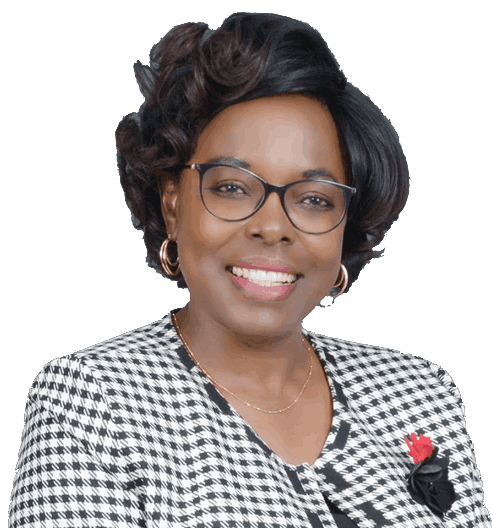
Seen together, these reports, testimonies, speeches and interviews form more than an archive. They form a documented public record of constitutional service — one in which Dr Margaret Nyakang’o’s stewardship of public finance can be examined, traced and understood through the institutions, publications and public forums that preserve accountability over time.