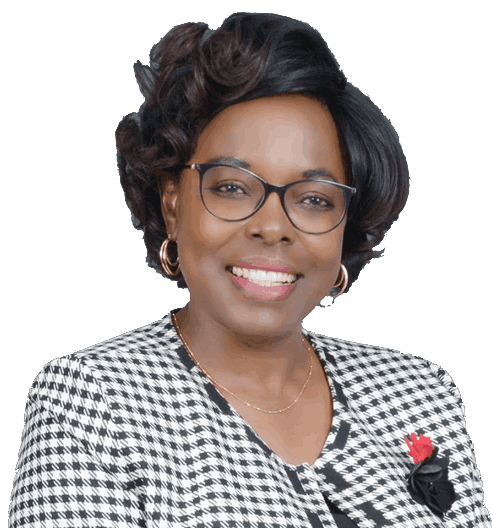
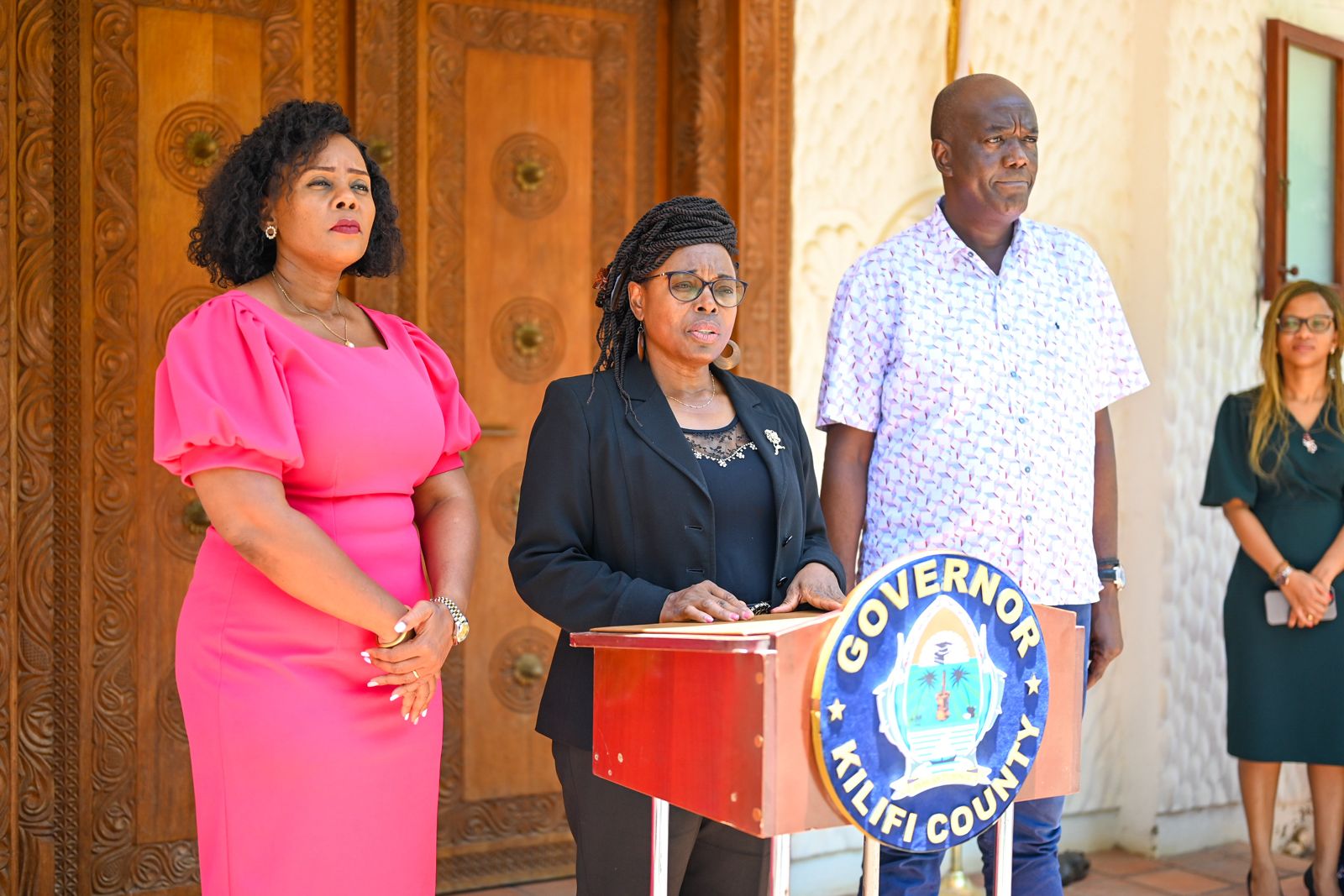
Across parliamentary appearances, budget implementation reports and reported interventions in the press, she has shown that the Office of the Controller of Budget is meant to do more than sign paperwork. It is meant to test legality, insist on process and make visible the risks that unchecked expenditure can create for citizens, suppliers and the wider economy.
In one of the clearest illustrations of that role, Citizen Digital reported that Dr Nyakang’o told a parliamentary committee she had been placed under duress to approve KSh15 billion in spending days before the 2022 General Election. In her testimony, she argued that the episode revealed weaknesses in the system and the need to shield the office from improper pressure.
“my office needs to be protected”Source: Citizen Digital
Her record of oversight has also been visible in the way she has used budget implementation reports to flag gaps between approval and actual control. In September 2025, the Office of the Controller of Budget reported that she raised concern over the use of Article 223 spending for foreseeable expenses and warned that pending bills, if left unmanaged, would become a serious fiscal risk. The report described her emphasis on stricter controls, stronger fiscal discipline and better planning across spending units.
“a ticking time bomb”Source: Office of the Controller of Budget
That same oversight lens has extended firmly to devolved government. Eastleigh Voice reported that she faulted counties for bypassing proper banking and requisition procedures, reminding them that money received must be banked before requisitions are made to her office. In another report, the publication quoted her warning that some counties had failed to follow agreed plans for clearing pending bills, undermining accountability and threatening service delivery.
“The law requires counties to bank all the money they receive before making requisitions to my office for withdrawal.”Source: Eastleigh Voice
“Several county governments did not follow their scheduled payment plans for outstanding trade payables.”Source: Eastleigh Voice
Her oversight has also exposed structural limits on the office itself. Reporting on Parliament’s concern over the Housing Levy framework, Eastleigh Voice quoted Dr Nyakang’o saying a loophole in the law “prevents any independent oversight”, a warning that underscored how legal design can weaken constitutional control over large public funds if safeguards are left incomplete.
Taken together, these interventions show why oversight remains one of the defining pillars of Dr Margaret Nyakang’o’s public record. It is through oversight that legality acquires force, accountability becomes visible, and the constitutional promise of prudent public finance is defended in practice rather than in theory.